Four kinds of evidence,
one line of copy
Nine brands ran published loyalty programs. Membership was climbing while the share of members who actually bought was falling: people were joining and then stopping. The programs were not the problem. Members did not always know which benefits were theirs, and the ones who tried to claim them hit friction. A benefit you cannot find, or cannot redeem, looks the same as one that was never offered.
UX subject matter expert across the loyalty theme work. I set what the research had to answer, worked with the brand and global teams on what the evidence meant, and managed the researcher who ran the cart study. I did not run the individual studies.
- Reviewed 15 existing ELC primary and secondary studies rather than commissioning a new one
- Audited 27 current brand experiences across online and omnichannel
- Analyzed 100+ beauty and skincare sites for competitive pattern
- Ran 2 lighthouse co-creation sessions alongside 6 ongoing regional insight forums
- Why members enroll and then disengage
- Which benefits resonate across a genuinely diverse base
- Where the experience breaks between promise and redemption
- What a single brand can ship without a platform rebuild
Four signals, independently
collected, pointing one way
None of these were collected to answer the same question. Contact logs came from customer service, verbatims from a post-purchase review tool, rage clicks from session data, and the cart study was a usability test on a separate redesign. They agreed anyway. Four instruments that were not built to agree, agreeing, is the strongest form a finding takes.
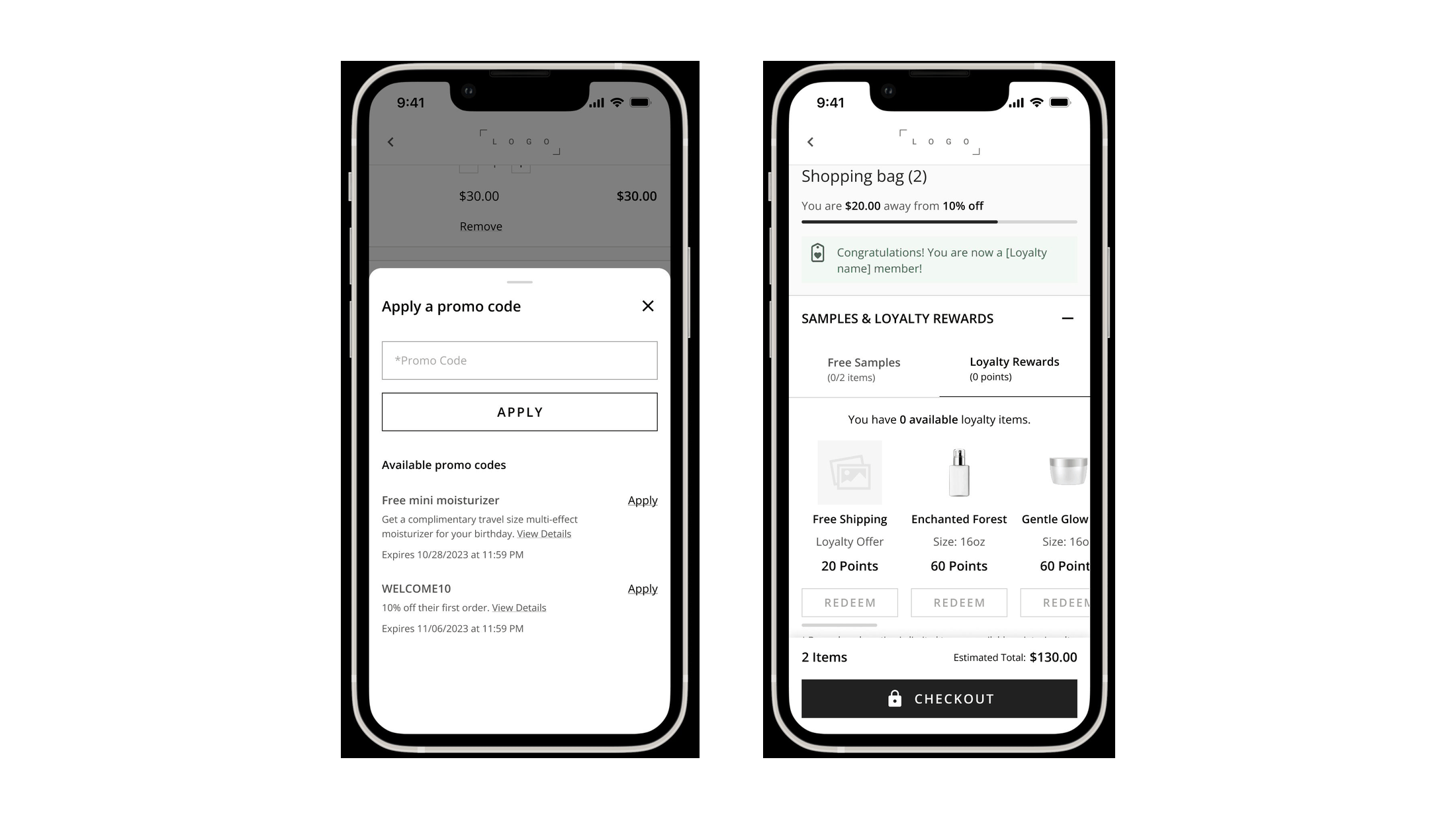
Nine participants, two scenarios,
counterbalanced
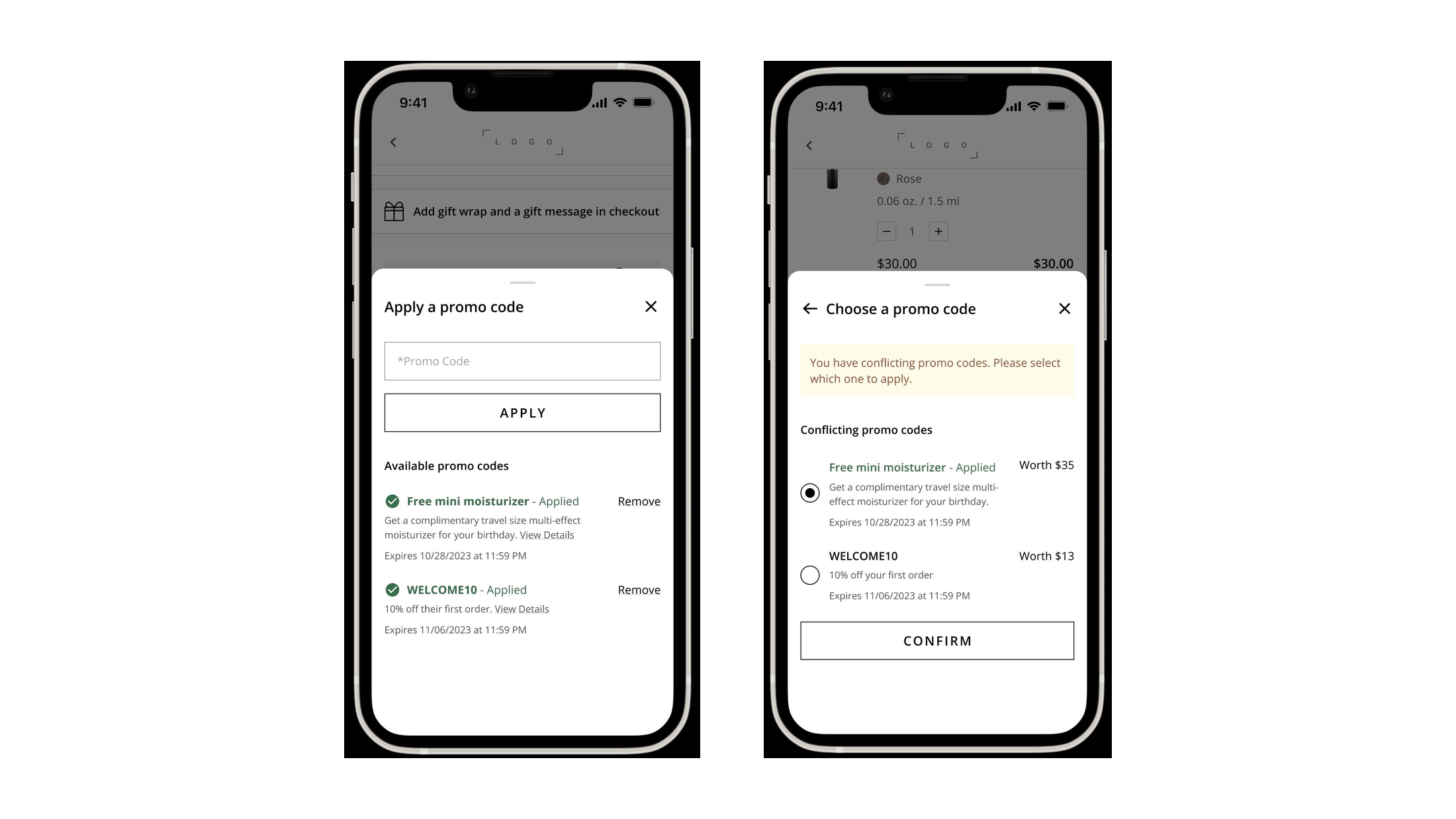
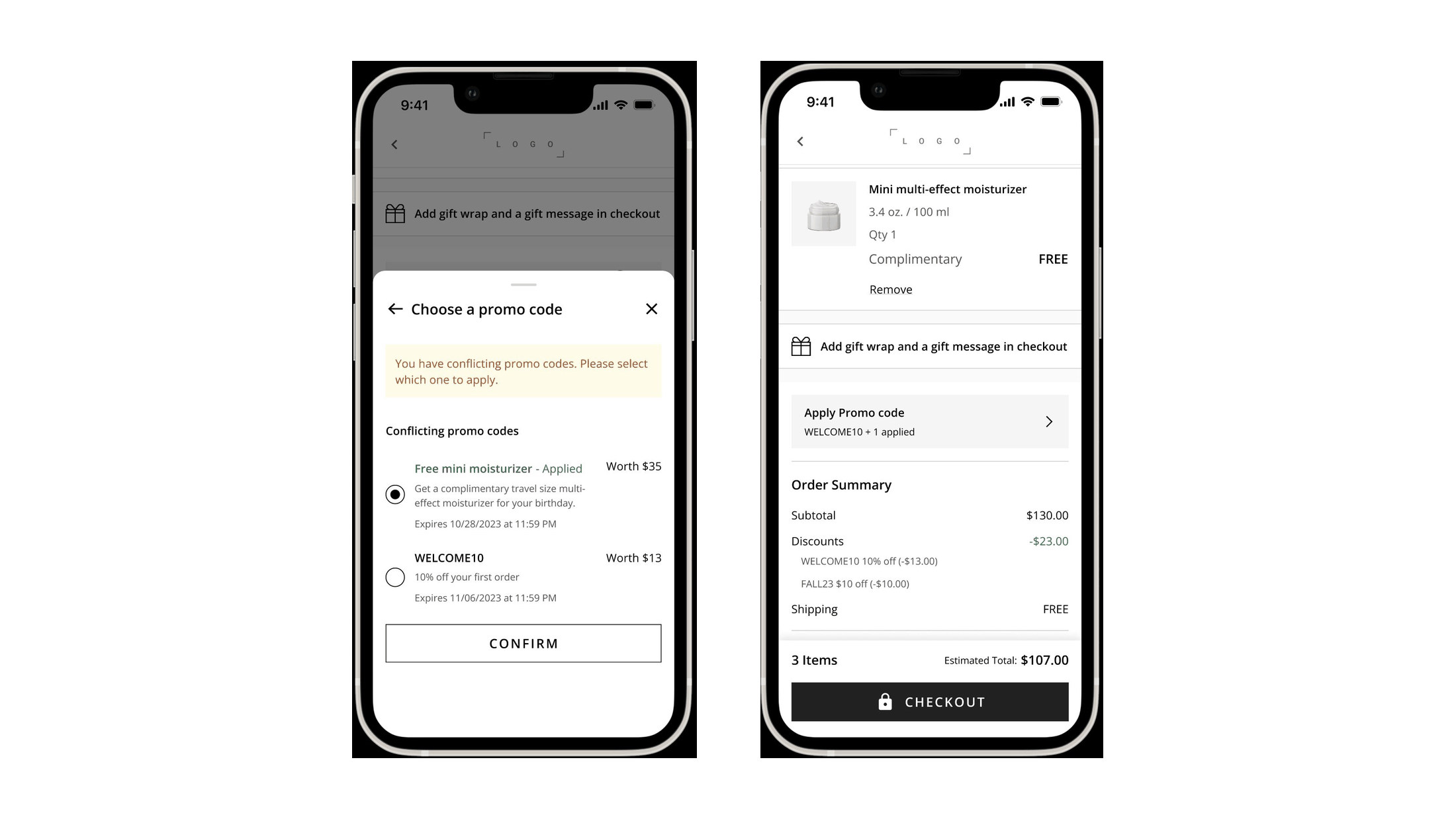
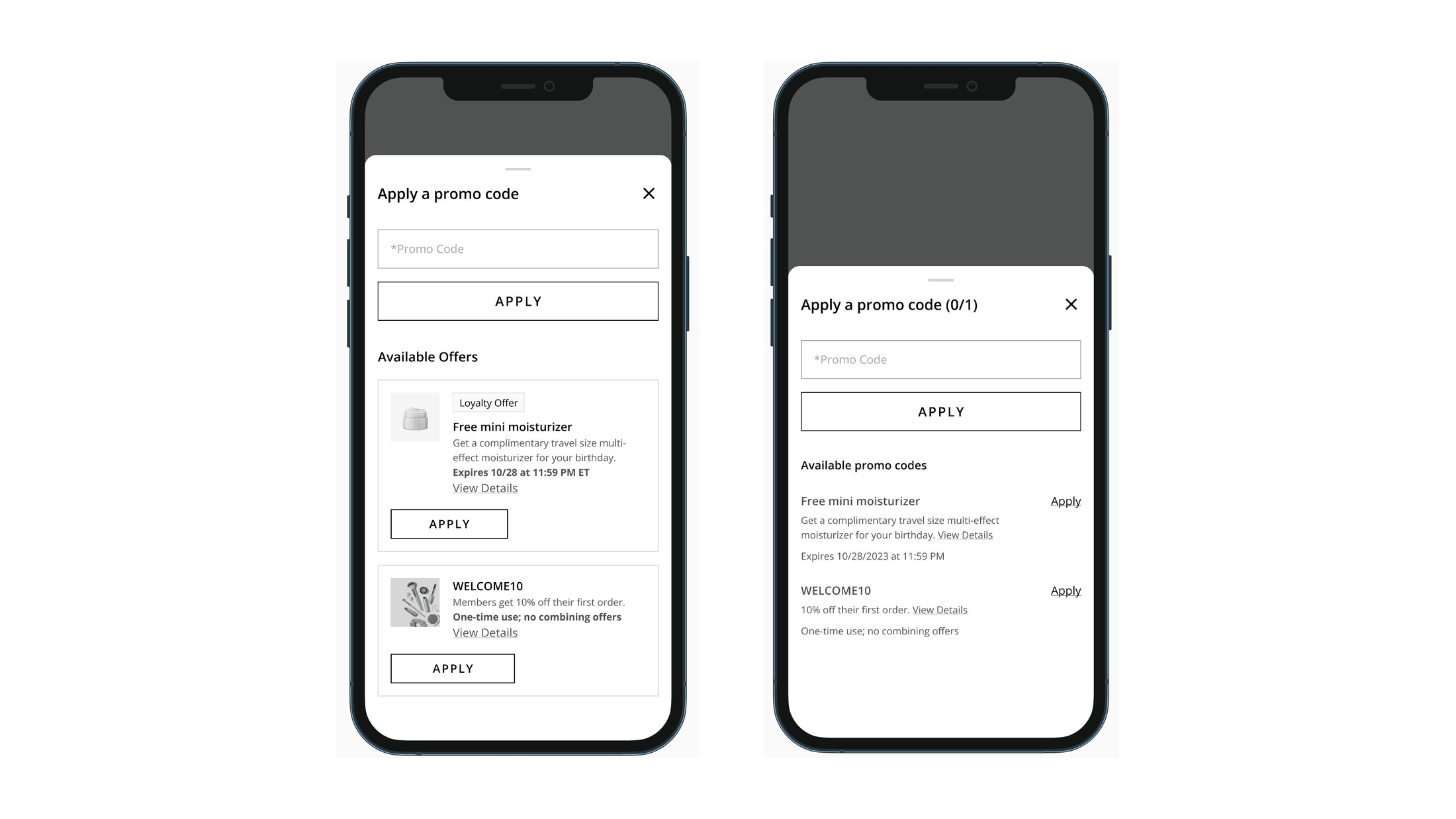
Moderated, mobile only, on the standalone cart redesign. Each participant met a stackable-offer scenario and a conflicting-offer scenario, in alternating order so neither benefited from a warmed-up session. It was not commissioned to look at redemption friction. It found some anyway, and settled a design argument the team had been having on taste.
Three principles, so nine brands
did not need nine answers
Nine brands, several regions, one platform none of them controlled alone. Findings addressed to everyone get built by no one, so the evidence was organized into three principles, each tied to a stage of the member relationship and a metric those teams already owned.
Discovery and engagement. Benefits stay visible across the journey rather than living only on the homepage and the program landing page. A member should never have to go looking for what she has already earned.
Building relationships. First-party data used to make communications specific rather than frequent. The signal members responded to was recognition, not volume, and the two are easy to confuse when only volume is easy to increase.
Promoting longevity. A mix of product, points, and spend-based rewards, so the program works for more than one kind of member. A single reward currency implicitly assumes a single kind of customer.
The fix was one sentence
Four evidence streams had pinned the friction precisely enough that the fix did not need to be a redesign. One North America brand added a single line of copy above the rewards section: a product has to be in the cart before a reward can be selected. Nothing else on the page changed, which is what makes the result readable.
The word on the door
One finding had nothing to do with mechanics. Across a review of 50 competitor sites, the overwhelming majority labeled the program in global navigation as some form of rewards. Only a handful called it loyalty. The portfolio ran the other way.
The hypothesis is about framing, not vocabulary. Rewards names what the member gets. Loyalty names what the brand wants from her. Member feedback in the review tool mentioned rewards and points constantly, and loyalty almost never, so the convention tracks how customers already talk. There is likely a search consequence too: people search with the word they already use.
Ten things to build,
seven things to find out
The brief separated what the evidence had settled from what was still a bet, and labeled which was which. Mixing the two is how strategy documents lose the teams that have to build from them.
Enrollment, sitewide visibility, program marketing pages, member exclusives, redemption requirements, order confirmation, exclusive offers, time-sensitive communications, CRM triggers, and point redemption. Near to mid-term, each one shippable by a single brand team.
Extended return windows, members-only pricing, service integrations, bonus point mechanics and others. Each written with an objective, a scope, the resources it would need, and the KPIs that would settle whether it worked.
Every element mapped against every brand with a current status, so the next conversation started from what was already done rather than from the framework again. The plan is what turned a point of view into a queue.
This engagement is available as a scoped package: Usability testing round.
See services and rates