Building a research function from zero
The Estée Lauder Companies had 19 global beauty brands making digital experience decisions without a shared research practice. Insight was commissioned ad hoc, methods varied by brand, and findings did not travel between teams.
I built the UX research and insights function from the ground up and led it for eight years, growing it from a single practitioner to a twelve-person team across two management layers.
- Foundational methodologies, processes, and team structure where none existed
- Hiring and developing managers, not only researchers
- Operating across in-house New York, remote US, Romania, and South America
- Earning standing with brand, product, engineering, and marketing leadership
UX design manager
Senior UX research manager
UX research manager
Senior UX researchers
UX designers
Many carrying research alongside design
Six documents, written in the
order the team needed them
A research function is not a headcount. It is the documents that let everyone else work without you in the room. These are those documents, in the order the gap appeared.
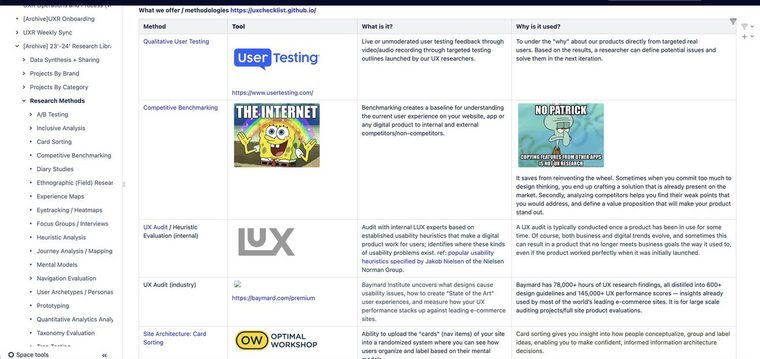
A documented method library,
not a person you have to ask
Any team could choose the right method, understand what it would produce, and see what it would cost, without commissioning a researcher to decide that first.
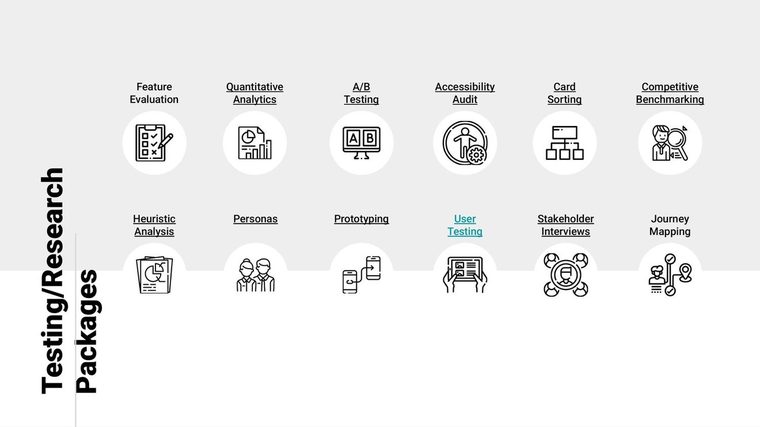
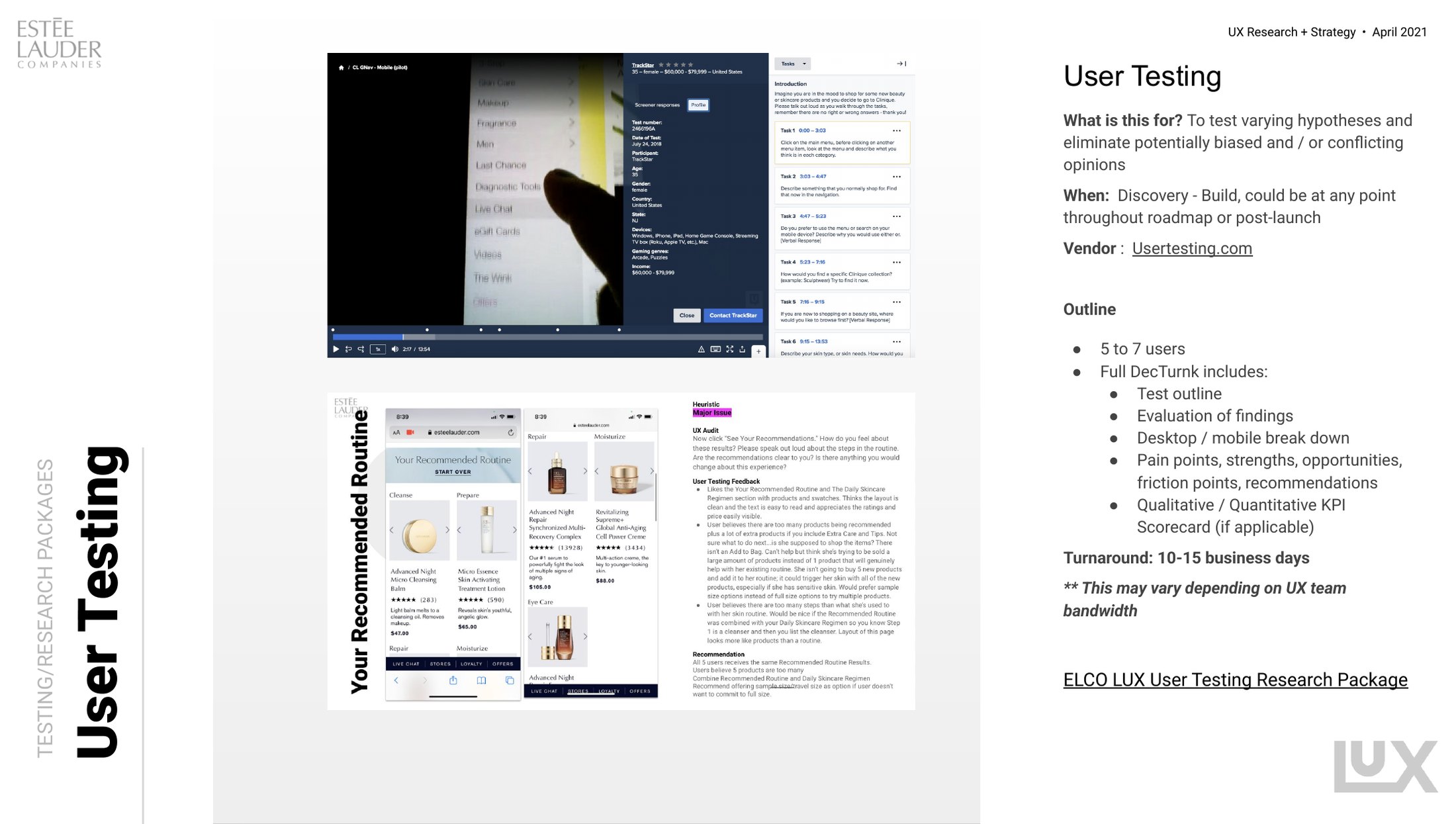
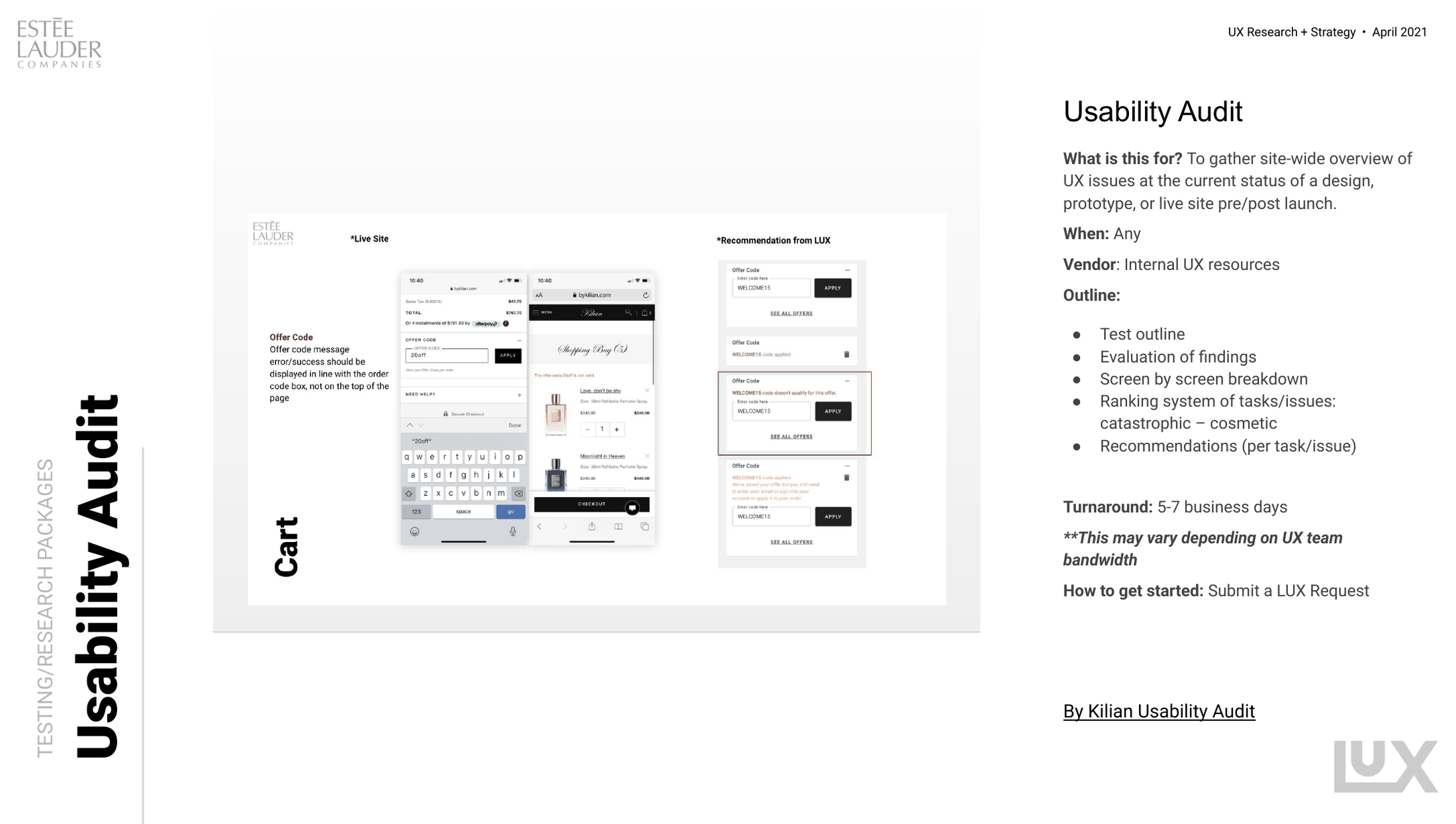
Every package with a turnaround
a product owner could plan around
Requests arrived as open questions and got answered as bespoke projects, so scope was renegotiated every time. Naming the packages and committing to a turnaround turned research from a favor into a service.
Every turnaround shipped with the same caveat: may vary depending on team bandwidth. Publishing both together gave partners something to plan against without pretending capacity was infinite.
Turning a session into a number
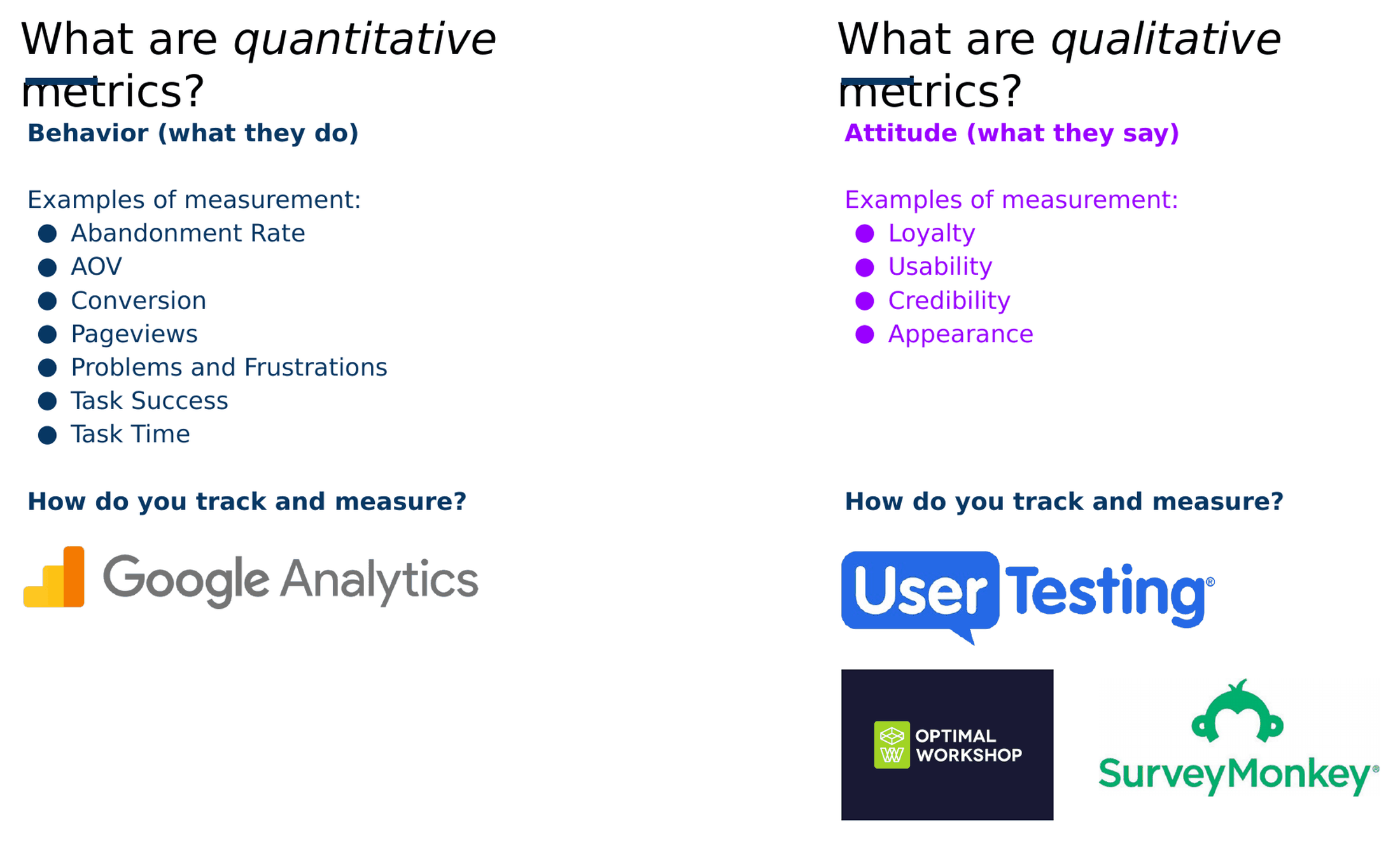
Brands could not weigh a usability finding against an analytics figure, so qualitative work lost every prioritization argument. The scorecard gave each feature one score built from both halves, and made pre and post launch comparable.
- Find the category page
- Browse shades within it
- Find the shade finder tool
- Complete the shade finder
- Reach a product page
- Add the product to bag
- Usability
- Trust
- Appearance
- Credibility
Metrics were chosen against the journey rather than applied uniformly. A macro journey earned abandonment, pageviews, and conversion. A micro journey inside a product page earned task time, appearance, and credibility. The same set ran again after launch, which is what made the comparison mean anything.
Intake that scales, and tooling
people can actually use
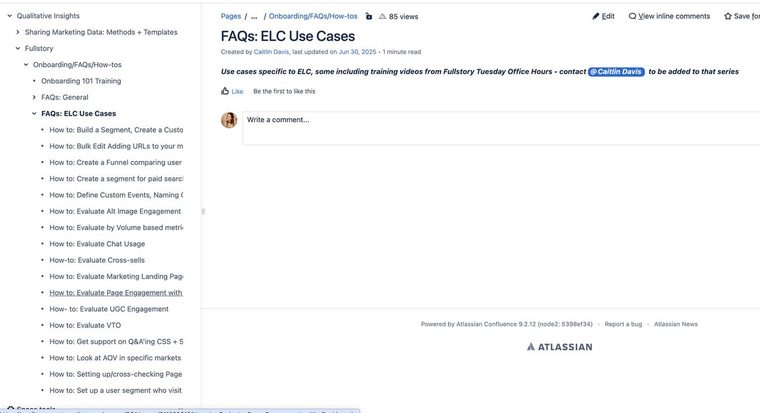
One request path into the team, and a documented enablement layer so behavioral analysis was not gated on a single person's calendar.
One path in,
one place it lands
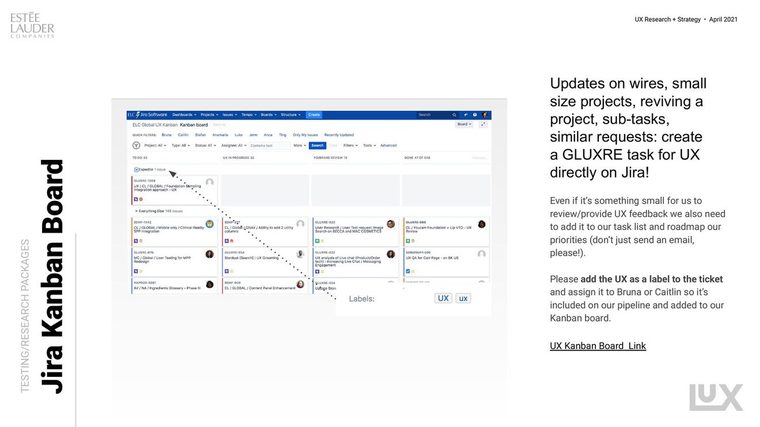
Work that arrives by email cannot be prioritized, staffed, or counted. Every request took the same route, including the small ones, which is how the function got a pipeline instead of a queue of favors.
The Kanban board above is the visible end of this. The rules are what kept it accurate.
Request opens a ticket
No exception for a quick review or a verbal ask.
The ticket carries what triage needs
A UX label, a budget code, defined requirements, links to prior research, and the people affected added as watchers.
Assigned to a lead
Two named owners, so nothing sat unclaimed and the pipeline stayed visible to everyone.
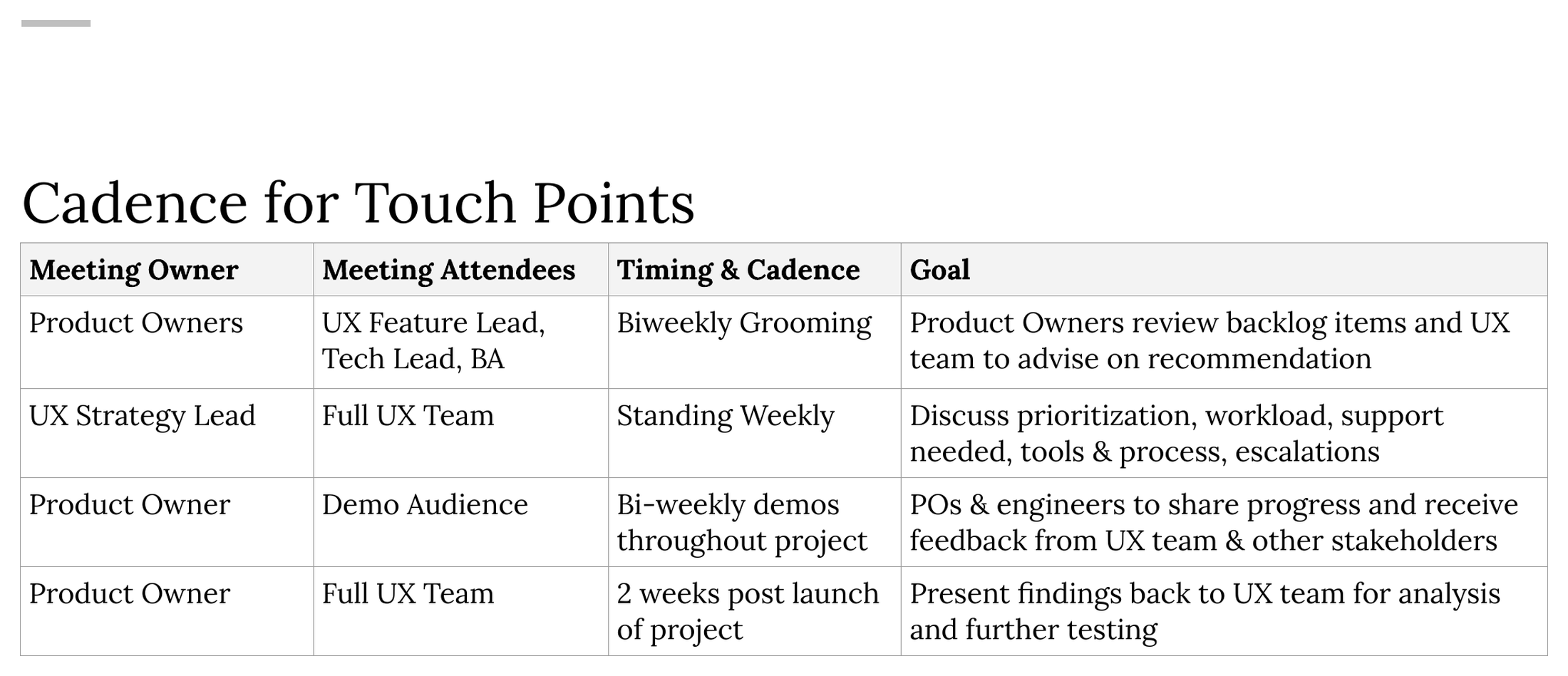
Weekly triage with the full team
Prioritization, workload, support needed, tooling, and escalations, in a standing meeting rather than a thread.
A package is selected, not invented
Chosen from the catalog against what the question needed, with the turnaround set at that moment.
Findings land on the brand and category page
Documented where the next person will look, not in the deck of the person who ran it.
Two weeks after launch, it comes back
Results presented to the full team for analysis and further testing, so the loop closed on the shipped thing.
The rules that stopped us
researching the same thing twice
Nineteen brands running studies independently produces duplicate findings and contradictory ones, with no way to tell them apart. Every researcher worked to the same short charter. Four of its five rules govern what happens before and after a study, not during it.
Owning the behavioral platform,
not just using it
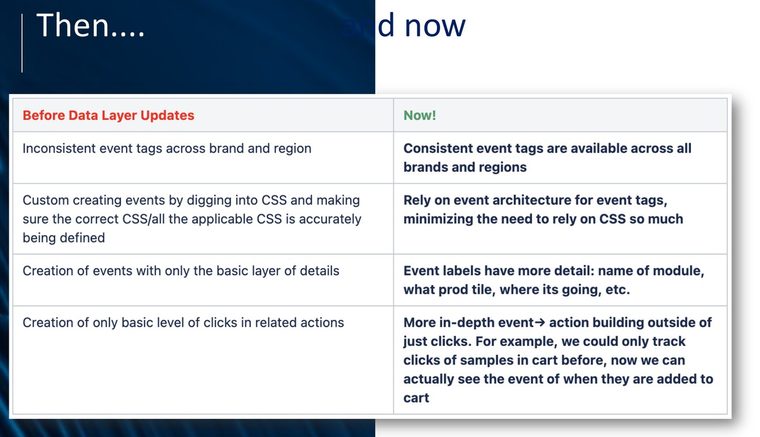
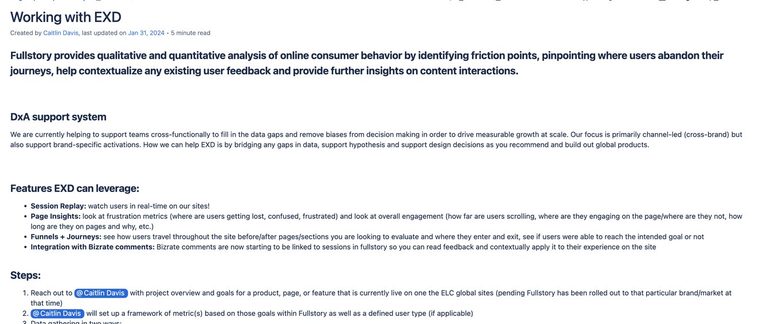
I was the enterprise subject matter expert for Fullstory across the portfolio: in the vendor analysis, on the Center of Excellence, and responsible for teaching every other team to run their own analysis.
Part of the evaluation behind the platform decision, and the definition of what it needed to answer for a 19-brand portfolio.
Onboarding 101, an ELC-specific use case library, role-specific guides, and a standing office hours series I ran for brand and product teams.
Named contact to the internal and vendor Center of Excellence, where measurement defects were raised and signal definitions were governed.
Research moved from commissioned project to standing capability.
This engagement is available as a scoped package: Research function build.
See services and rates